dbtuser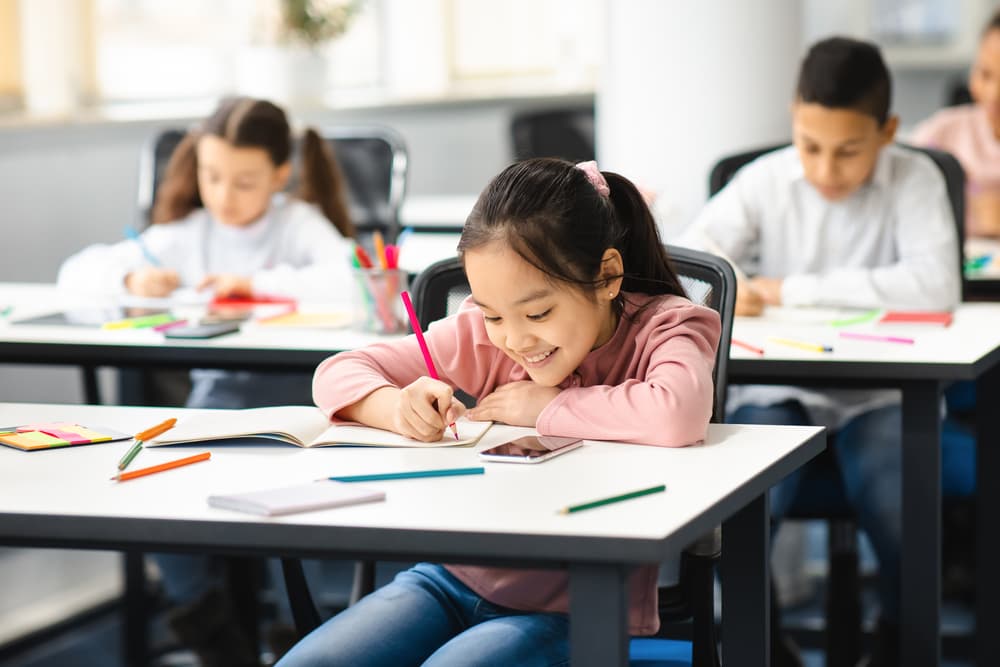
The educational landscape is dynamic, which offers opportunities and is also challenging as a means of improving student learning. Selection and arrangement of furnishings is one of the most significant components that are significant in the education process. Student desks in this aspect can be regarded as key elements to the conduciveness of the studying and mind development environment. This paper will discuss the significance of proper desks to students to facilitate pleasant and effective learning environments.
Student Desks and Their Educational Uses
Desks are not merely laptops and book desks. They are also the learning spaces where students can learn. The layout and style of a desk may affect the comfort of the students and their postures, and also their concentration and, eventually, their academic performance. Student-friendly, ergonomically designed desks have the ability to relieve physical pain and are also correlated to productivity and enhanced performance in student learning.
Besides, the way desks are set and arranged could influence student communication, cooperation, and general dynamism during the lesson. The customary rows set up make it possible to form groups that facilitate peer discussion and group work, which conforms to the new methodologies that advocate interaction-oriented learning.
Furniture Modification to Diverse Learning Approaches
The fact that the approach of learning and teaching is varied means that furniture used in the educational field, in this case, student desks, must be adaptable. It is necessary to have flexible and easily reconfigurable desks that can be used in a variety of activities such as seminars, lectures, workshops, and project-based learning. This is necessary since it offers flexibility to institutions that wish to offer a broad spectrum of learning disciplines and styles.
Besides this, student desks must be capable of supporting the varying size and age group that students are in, and the versatility to change as the key attribute that may support this difference. Raising and lowering the desk height not only improves comfort but also ensures that all people, regardless of their size, ages, and other factors, can participate in their classes without undue strain on their bodies.
Fusion of Technology to Desk Design
To integrate technology into the learning programme, desks occupied by students should be well designed to accommodate the use of technology devices such as tablets, laptops, and other digital devices. Such innovations as built-in power sources and cable management systems on desks and secure devices storage are now a part of the digital educational environment and simplify the utilization of technology in the classroom.
Also, incorporating technology-related assistance into desks for students will prepare them to work in the future, where digital literacy is not only desired but a necessity. To sustain with the current technological change, colleges, schools, and universities should thus consider future-proofing the furnishings.
Environmental Issues and Sustainability
The student desks should be designed and constructed in a manner that demonstrates a sense of sustainability. Use of environmentally friendly productions and materials also reflects the spirit of stewardship of the environment by the institution, one of the issues of increasing concern among the students and even parents.
Lasting desks made of renewable materials and with the notion of lifecycle, with a focus on sustainability, not only minimize the environmental footprints, but also offer the essential lessons on sustainability to the students. There can be a significant influence of environmental responsibility through furniture created to serve an educational purpose.
Aesthetic Effect of Student Desks on Education
The beauty of the desks that the students use and the effect they have on the beauty of the classrooms can significantly affect the mood of the students and their level of creativity. A well-designed and beautiful desk will help students to feel more at ease in their learning environment. This may lead to an increase in interest and encouragement towards their studies.
To enable educational institutions to design a conducive learning experience that is inviting and stimulating to students, in addition to desks that are both attractive and functional indicate the investment made by the institution in quality learning experiences. This would send a powerful message to the schools in terms of how seriously they take education and the health of their students.
Conclusion
The necessity of desks in the classrooms is not emphasized. Ergonomic designs that help in maintaining physical health and the application of modern technology to make the learning desks seamless serve a critical role in ensuring that the learning experience is positive and pleasant. Although the institutions keep adapting to the dynamic teaching strategies and different learning needs, the choice of the desks occupied by the students will still remain a key factor in the performance of the students and the objectives of the schools as far as learning is concerned.
Student desks, among other school furniture, are not just a need in a world that is flooded with aesthetics, adaptability, and sustainability. They are turned into an investment in the education future and its adaptability to the evolving patterns in the educational ideas and the social requirements. When selecting the most appropriate desks, the schools will be able to proclaim their commitment to ensure that students receive the ideal learning environment in which they can excel.
Although the nature of the world of education will definitely keep on evolving, there is one fact that will not have changed, which is that the environment in which students learn greatly influences the kind of learning experience they have. Students desks, which are a very crucial part of these settings, are not only a must in terms of functionality, but also a very core part of the educational ethics, which puts emphasis on the well-being and the achievement of all learners.