dbtuser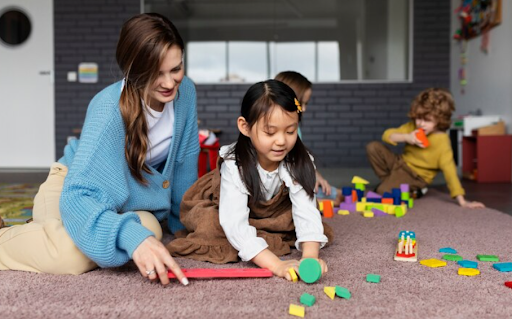
Learning in early childhood is most effective when it feels natural, enjoyable, and meaningful. One of the most powerful approaches used in modern education is learning through play, where children gain knowledge and skills while actively engaging in playful activities. Instead of focusing only on strict instruction, this method encourages curiosity, creativity, and exploration. Young children learn better when they are interested and emotionally involved, and play provides the perfect environment for this kind of learning. It helps them connect ideas with real experiences, making education more engaging and easier to understand.
Understanding Learning Through Play
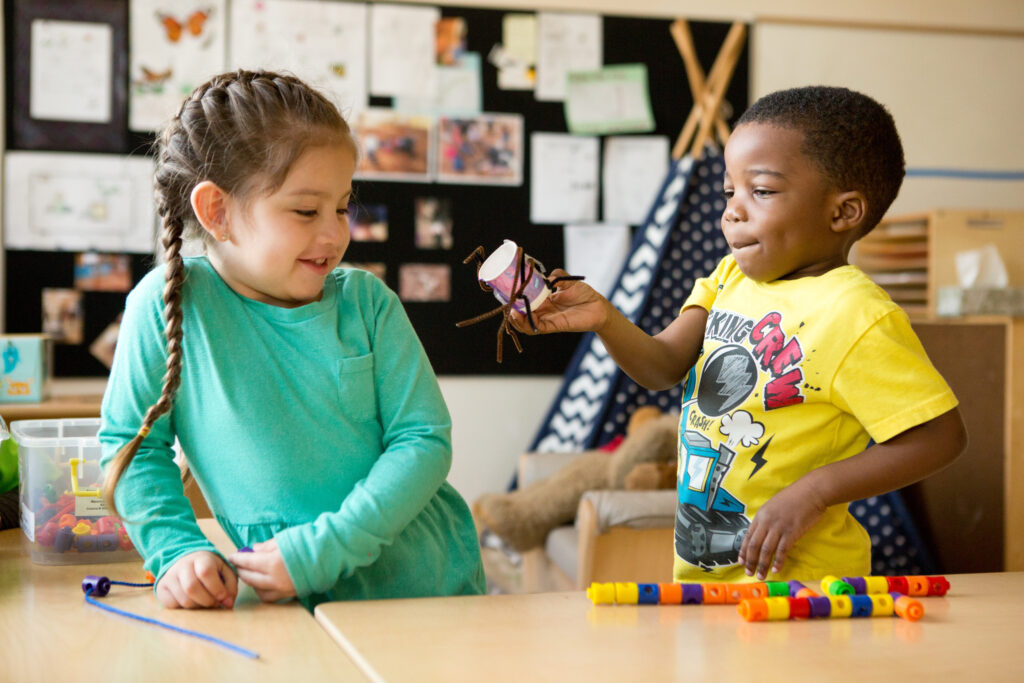
Learning through play is an educational approach where children develop new skills by participating in games, activities, and hands-on experiences. It includes both structured and unstructured play, such as building blocks, role-playing, drawing, storytelling, and outdoor games. In this approach, children are not just passive listeners but active participants in the learning process. They explore their surroundings, ask questions, and discover answers through interaction. This makes learning more meaningful because it connects concepts with real-life situations that children can see, touch, and experience.
Why Play Improves Engagement
One of the main reasons learning through play is so effective is because it naturally captures a child’s attention. When children are playing, they are relaxed, curious, and fully focused on the activity. This increases their motivation to learn without feeling pressured. Play also reduces fear of making mistakes, which often helps children learn more confidently. Instead of memorizing information, they understand it through experience. This emotional connection keeps them engaged for longer periods and makes the learning process enjoyable rather than stressful.
Key Benefits for Young Children
Learning through play supports many areas of a child’s development. It helps improve cognitive skills such as thinking, problem-solving, and decision-making. When children build structures, solve puzzles, or take part in imaginative games, they learn how to analyze situations and find solutions. It also strengthens social skills, as children interact with others, share ideas, and learn cooperation. Language development improves when they communicate during play, and creativity grows as they imagine new roles and scenarios. Overall, it builds a strong foundation for lifelong learning.
Role of Teachers and Parents
Teachers and parents play an important role in supporting learning through play. They create safe and encouraging environments where children feel free to explore. Instead of controlling every activity, they guide children gently and allow them to learn at their own pace. Educators can design activities that combine fun with educational goals, while parents can encourage playful learning at home through simple games and everyday tasks. Their support ensures that children stay curious and confident while learning new concepts.
Conclusion
Learning through play is a powerful and effective way to make education more engaging for young children. It transforms learning into an enjoyable experience where children are active participants rather than passive observers. By combining fun with education, this approach helps children develop essential skills while staying motivated and curious. When supported by teachers and parents, learning through play builds a strong foundation for both academic success and personal growth in the future.