dbtuser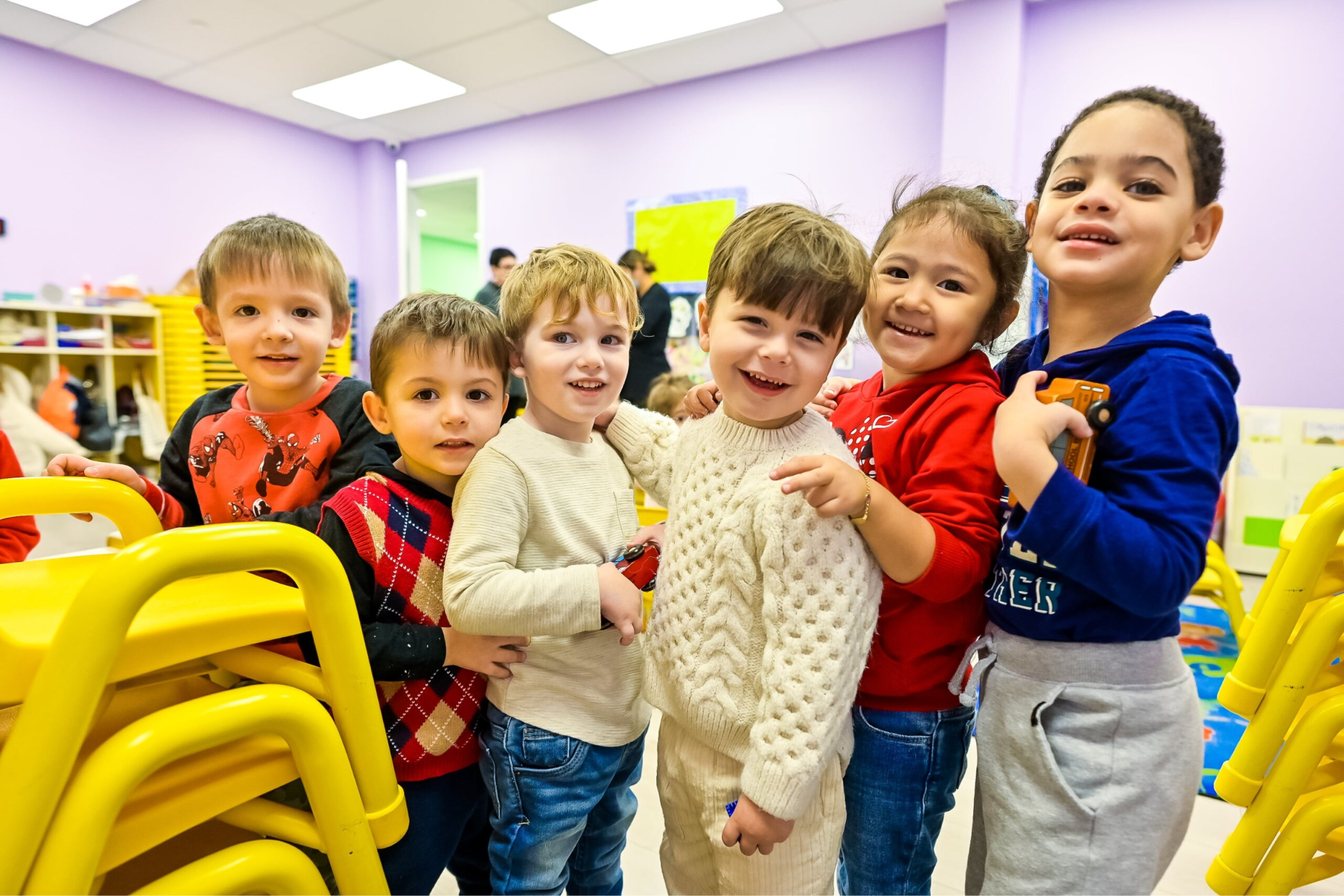
The year before kindergarten is a pivotal time in a child’s development. Pre-kindergarten programs bridge the gap between early childhood care and formal schooling, preparing children academically, socially, and emotionally for the structured learning environment ahead.
Choosing the right pre-k program involves evaluating more than just location and cost. The quality of the curriculum, the experience of the staff, and the overall environment all play vital roles in determining how well the program serves your child.
What to Expect from a Quality Pre-K Facility
A well-run pre-k facility provides children with a balance of structured instruction and creative exploration. The curriculum covers foundational literacy and numeracy skills, science exploration, arts and crafts, physical activity, and social skill development. Every aspect of the program is designed with the developmental needs and learning style of four and five-year-olds in mind.
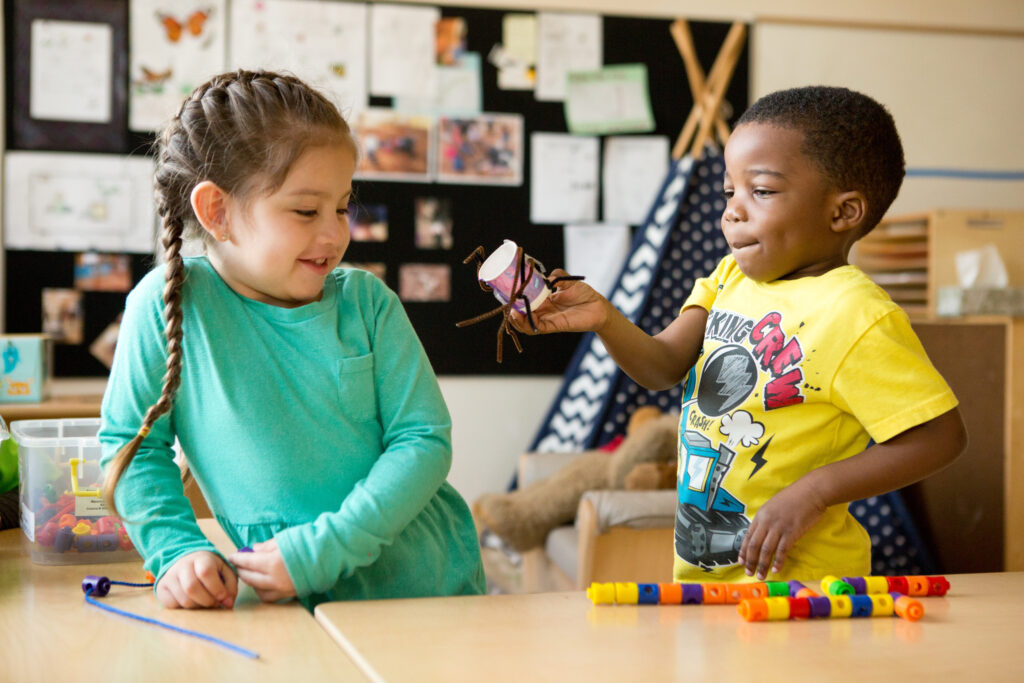
The physical environment matters as much as the curriculum. Bright, organized, and well-resourced classrooms with distinct learning centers for reading, building, art, and dramatic play give children the stimulation and variety they need to stay engaged and motivated throughout the day.
The Importance of Qualified Teachers
The quality of a pre-k program depends largely on the educators who deliver it. Look for facilities that employ teachers with specific training in early childhood education and ongoing professional development. Experienced pre-k teachers know how to balance warmth and structure, encouraging children’s natural curiosity while building the self-regulation and focus that formal schooling requires.
Low staff-to-child ratios are essential in pre-k classrooms. When teachers can give adequate individual attention to each child, learning outcomes improve and behavioral challenges are managed more effectively. Always ask about staffing ratios and teacher qualifications when evaluating any pre-k facility.
Social and Emotional Readiness
Academic preparation is just one dimension of kindergarten readiness. Children who enter school with strong social and emotional skills adapt more quickly, form friendships more easily, and experience less anxiety about the transition. Quality pre-k programs intentionally build these skills through cooperative activities, conflict resolution practice, emotional vocabulary development, and consistent, caring relationships with teachers.
Children who feel secure and confident in their pre-k environment are better positioned to take the academic and social risks that learning requires. This emotional foundation is one of the most lasting gifts a great pre-k experience can provide.
Parental Involvement and Communication
Strong communication between parents and the pre-k facility plays an important role in a child’s early learning success. A good program keeps parents informed about daily activities, learning progress, behavior, and upcoming events. This helps parents understand what their child is learning and allows them to support those skills at home in simple and consistent ways.
Pre-k programs that encourage parental involvement often create a stronger learning community. Teachers may share updates through meetings, notes, or digital platforms, and they may invite parents to participate in classroom events or activities.
Conclusion
Selecting the right pre-k facility is a decision worth taking seriously and researching thoroughly. The best programs combine a thoughtful curriculum, qualified and caring teachers, a stimulating physical environment, and a genuine commitment to each child’s individual growth.
Children who attend a high-quality pre-k program arrive at kindergarten not just academically prepared but emotionally confident and socially ready to thrive. That strong start makes a difference that echoes throughout their entire educational journey and beyond.