dbtuser
Every child learns in a different way and at a different speed. Some children grasp ideas quickly, while others need more time and practice. A Montessori program is designed to respect these differences and support each child’s natural learning pace. Instead of forcing all students to follow the same speed, it allows them to explore, understand, and grow at their own level. This approach helps children feel confident, motivated, and less pressured in their learning journey.
Understanding the Montessori Approach
The Montessori approach focuses on child-centered education where learning is guided by curiosity and interest rather than strict instructions In a Montessori program children are encouraged to choose activities that match their abilities and interests This method helps them stay engaged because they are learning at a pace that feels comfortable The environment is carefully prepared with materials that support independent exploration allowing children to build knowledge step by step while developing a strong foundation in core skills
Respecting Each Child’s Learning Speed
One of the most important benefits of a Montessori program is that it respects each child’s individual learning speed Some children may take longer to understand a concept while others may move ahead quickly Instead of comparing students the system allows each child to progress naturally This reduces stress and builds a positive attitude toward learning Children do not feel rushed or left behind which helps them develop a healthy relationship with education and self-confidence
Building Independence and Confidence
Montessori education also helps children build independence and confidence In a Montessori program children are given the freedom to make choices about their learning activities This encourages them to take responsibility for their actions and decisions As they complete tasks on their own they gain a sense of achievement Over time this independence strengthens their confidence and prepares them for future learning challenges They begin to trust their abilities and feel more capable in different situations
Role of Teachers in a Montessori Program
In a Montessori program teachers play the role of guides rather than traditional instructors They observe each child carefully and provide support when needed Instead of directly giving answers they encourage children to think and solve problems on their own This approach helps children become active learners Teachers also prepare the classroom environment with appropriate materials that match different learning levels ensuring every child has the opportunity to grow at their own pace This guidance creates a balanced learning experience for all students
Practical Learning Through Activities
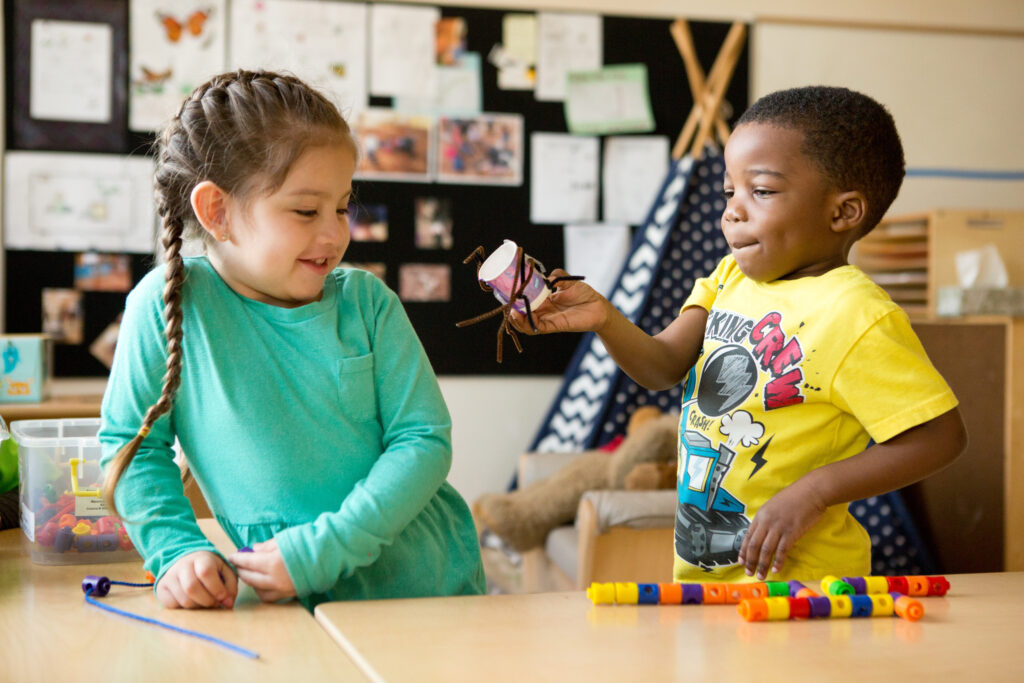
Hands-on activities are an important part of the Montessori program Children learn by doing rather than just listening or memorizing They use practical materials that help them understand real-life concepts in a simple way This method makes learning more meaningful and enjoyable By engaging in activities at their own pace children develop problem-solving skills and creativity It also helps them remember lessons better because they experience learning directly through action and exploration This strengthens overall cognitive development
Conclusion
In conclusion a Montessori program provides a supportive and flexible learning environment where children can grow at their own pace It respects individual differences and encourages independence confidence and curiosity Through guided learning practical activities and personalized attention children develop strong academic and life skills This approach not only improves their understanding but also builds a lifelong love for learning As a result children feel more confident and prepared for future educational challenges through consistent supportive teaching methods.