dbtuser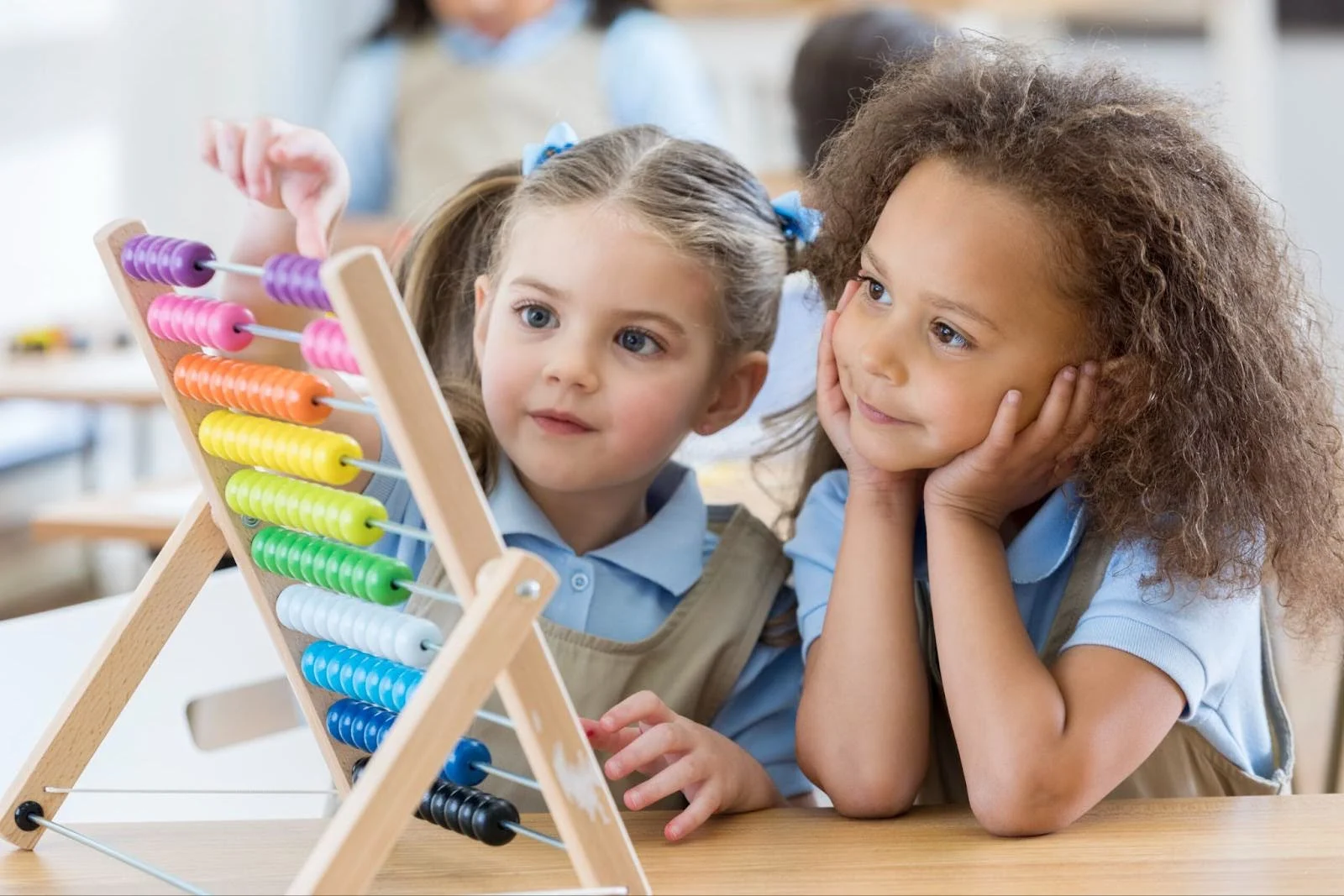
The skill of learning on its own has become one of the most useful skills of a child in an ever-increasing world that is full of information and is moving at a very high pace. Although traditional education offers order, independent learning instills in children the confidence, curiosity and resiliency required to succeed within and without the classroom. It is not only about educational achievement, but preparing the youths to live.
Developing Trustworthiness and Independence
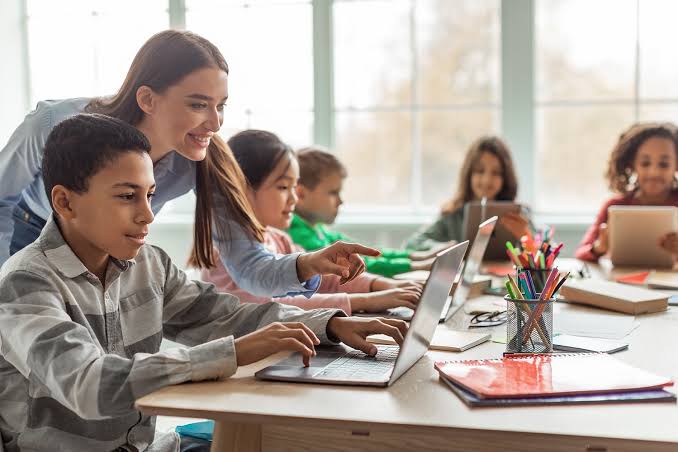
Independent learning will make children become the owners of their learning. They start asking and seeking answers and problem-solving independently rather than depending exclusively on parents or teachers. The process is self-confidence building.
A child feels that he has achieved something when he or she finds a solution to a problem by themselves, be it a mathematical problem or a research on a topic. This leads to self-reliance with time as they will have confidence in their abilities and judgements. These are the traits that will help them well in the future, when they have to meet the obstacles of working life and life, in general.
Fostering Curiosity and Love of Learning
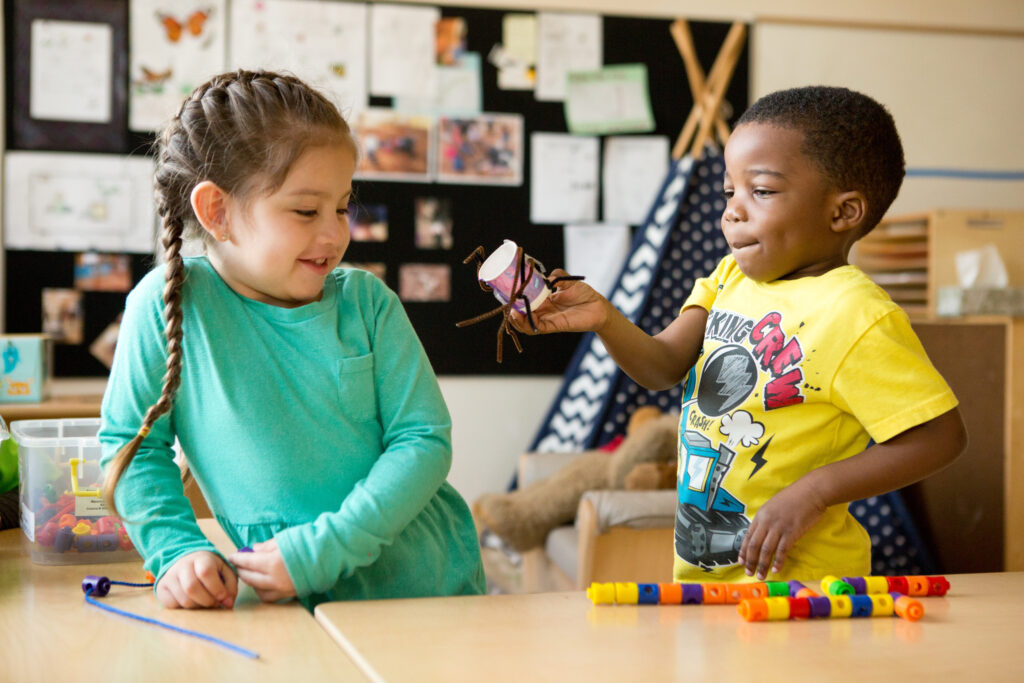
Children are curious and when they are in a highly structured environment, they are at times inhibited in their exploratory nature. Learning on their own will enable them to pursue their interests, ask questions and to explore new ideas at their own time.
Learning should be less of an assignment and more of an activity when children are encouraged to discuss the subject they really like. Such an internal drive is much stronger than extrinsic pressure because it fosters a lifelong interest in learning as opposed to a temporary interest in grades or performance.
Acquiring Critical Thinking
One of the key benefits of independent learning is the development of critical thinking. Children learn how to think independently when they are stimulated to think, thus they learn how to analyse, evaluate and make informed decisions.
In the current digital era whereby information is readily accessible, these skills are vital. Children should also be taught how to search information but also on how to doubt its validity and its relevancy. This attitude is fostered by independent learning, as it assists them to be critical and conscientious people.
Supporting Academic Growth
Although independent learning is not all about academic performance, it certainly promotes it. The responsibility that children take over their studies can lead to effective time management, organisation, and focus.
Lots of learning environments, state schools as well as private ones (e.g., a prep school) have realised the value of both independent learning and more formal instruction. Schools can empower their pupils to perform better academically, as well as equip them with the challenges of a higher education, by giving them an opportunity to be proactive.
Getting Ready to the Future
The fact that independent learning equips children to be adults, is perhaps the most significant reason why this form of learning is important. The modern world demands flexibility, ability to solve problems and lifelong learning. Jobs are changing, and more than ever, it is valuable to be able to teach yourself new skills.
Children who acquire these habits at a young age stand at a better position to cope with change, break the wall and chase their aspirations. What they learn is not restrictive but they are given the freedom to explore and develop independently.
Independent learning does not involve letting the children work out everything themselves but helping them become competent, confident learners. Developing this ability, parents and teachers can assist children in developing a solid academic and personal background. They are in this way not only imparting to children what to learn but how to learn, which is much more valuable in the long run.